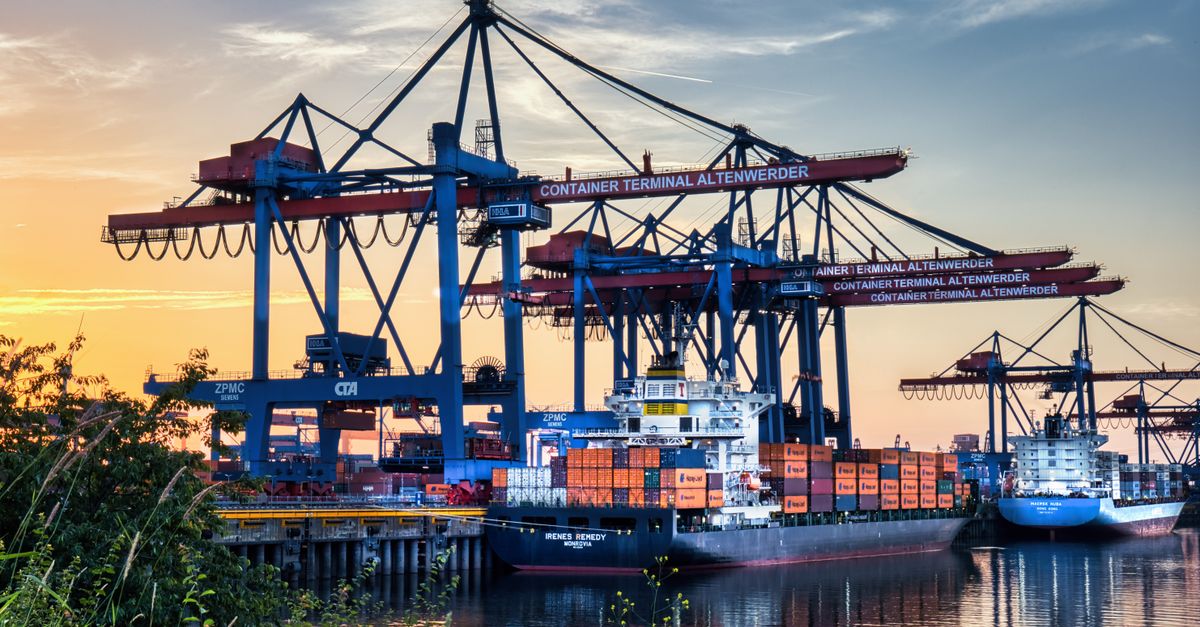
What is Transport Logistics?
Transport logistics encompasses various activities, including freight forwarding, warehousing, and inventory management. It plays a vital role in connecting suppliers, manufacturers, and consumers, thereby facilitating trade and commerce. In Israel, the logistics sector is particularly significant due to the country's strategic location and diverse trade routes, making it a hub for international shipping.
Effective transport logistics requires a thorough understanding of various factors such as transportation modes, routes, and regulations. Companies must consider the type of goods being shipped, the delivery timelines, and the associated costs to develop a robust logistics strategy. This comprehensive approach helps businesses meet customer demands while maintaining profitability.
Key Components of Transport Logistics
Transportation modes refer to the various methods used to move goods, including road, rail, air, and sea. Each mode has its advantages and disadvantages, such as cost, speed, and capacity. For instance, air freight is faster but more expensive, while sea freight is cost-effective but slower. Logistics managers must select the most appropriate mode based on their specific needs and constraints.
Freight management involves coordinating the movement of goods, ensuring they are transported efficiently and safely. This includes selecting carriers, negotiating contracts, and monitoring shipments. Route optimization is another critical aspect, as it helps logistics professionals identify the most efficient paths for transportation, reducing delivery times and costs.
The Role of Technology in Transport Logistics
Logistics software, such as transportation management systems (TMS), enables companies to plan, execute, and analyze their logistics operations. These systems provide real-time data, helping managers make informed decisions regarding routing, scheduling, and inventory management. Furthermore, GPS tracking systems allow businesses to monitor shipments in real-time, providing visibility and transparency to customers.
Emerging technologies like artificial intelligence (AI) and machine learning are also transforming the logistics landscape. These advancements can predict demand, optimize routes, and enhance overall supply chain performance. In Israel, where innovation is a key driver of the economy, logistics companies are increasingly adopting these technologies to remain competitive and responsive to market needs.
Challenges in Transport Logistics
One significant challenge is regulatory compliance. In Israel, shipping regulations can vary based on the type of cargo and its destination. Companies must stay informed about these regulations to avoid delays and penalties. Another challenge is the rising cost of fuel, which directly affects transportation expenses. Logistics managers must find ways to mitigate these costs while maintaining service quality.
Additionally, unexpected disruptions, such as natural disasters or geopolitical tensions, can severely impact logistics operations. Companies must develop contingency plans and risk management strategies to address these uncertainties and ensure continuity in their supply chains.
Best Practices for Effective Transport Logistics
First, companies should prioritize route optimization and regularly review their transportation networks. By analyzing data and utilizing software solutions, logistics managers can identify inefficiencies and make necessary adjustments. Training staff on logistics best practices is also crucial, as knowledgeable employees can contribute to smoother operations and better decision-making.
Moreover, fostering strong relationships with carriers and suppliers can lead to better rates and service. Collaboration and communication are key elements in building these relationships. Finally, continuously monitoring performance metrics and seeking feedback from customers can help businesses make informed adjustments to their logistics strategies.
FAQ
Frequently Asked Questions
What are the main transportation modes used in logistics?
The main transportation modes used in logistics include road, rail, air, and sea. Each mode has its advantages and disadvantages, such as cost, speed, and capacity. For example, road transport is flexible and suitable for last-mile delivery, while air transport is faster but more expensive.
How can technology improve logistics operations?
Technology improves logistics operations by providing tools for planning, execution, and monitoring. Transportation management systems (TMS) allow for real-time data analysis and decision-making, while GPS tracking systems enhance visibility and transparency in shipments.
What challenges do logistics professionals face in Israel?
Logistics professionals in Israel face challenges such as regulatory compliance, rising fuel costs, and unexpected disruptions like natural disasters or geopolitical tensions. Staying informed about regulations and developing contingency plans are essential for managing these challenges.